
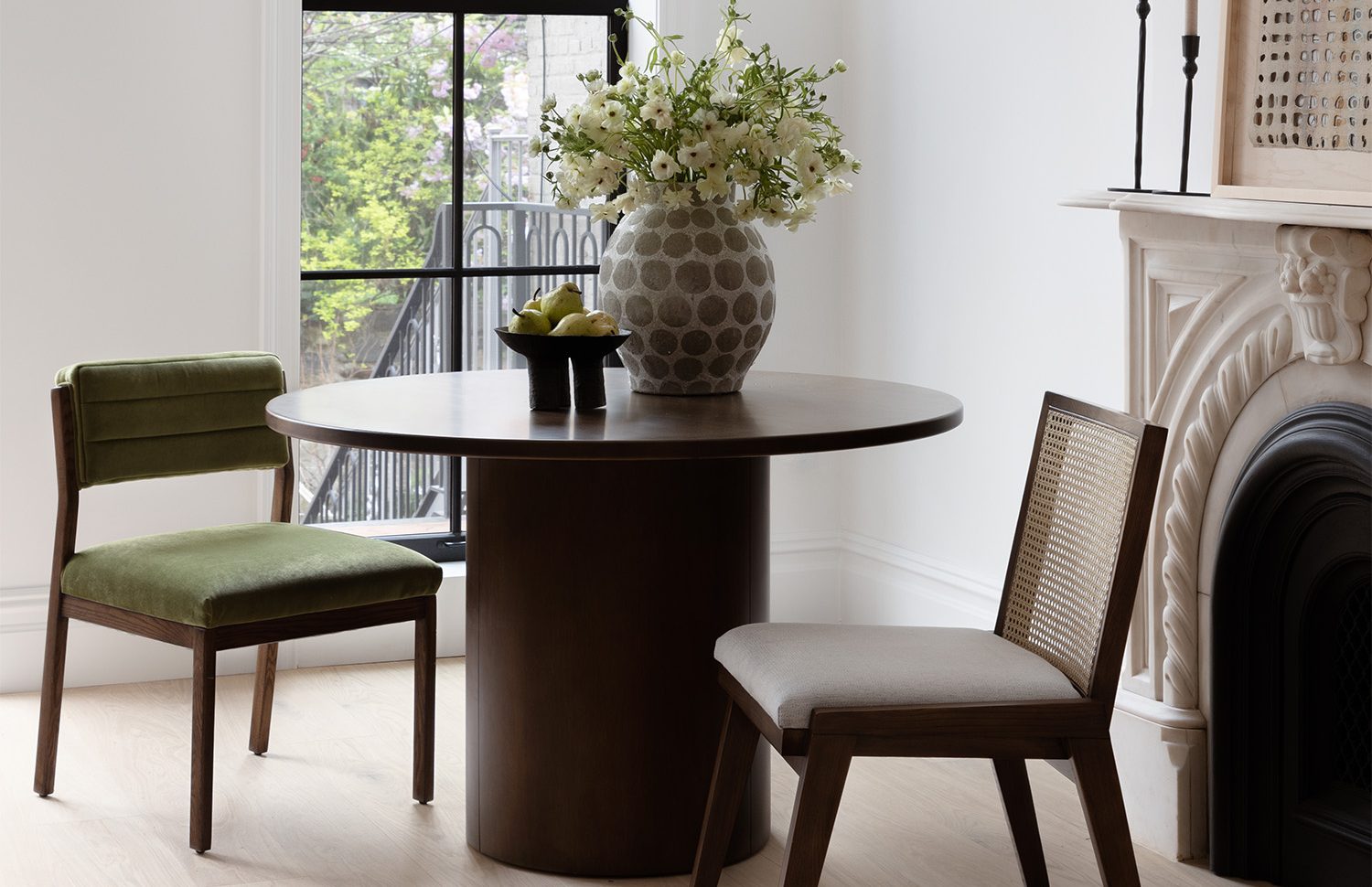
After tackling thousands of design projects, you start to notice a common errors in everyone's home. From over-the-top curtains to over-the-top furniture, certain design elements tend to drive people crazy (and we totally understand why).
We’d like to officially add mixed wood tones to this list. Time and time again, we see homes that have a single wood tone throughout, which can create a one-dimensional look that lacks contrast (especially when paired with hardwood floors).
So, we’re here to give you the complete guide on how to mix wood tones like a pro. Here, the designer at Hd-Inteiror shares the basics:
1. Determine your main wood tone
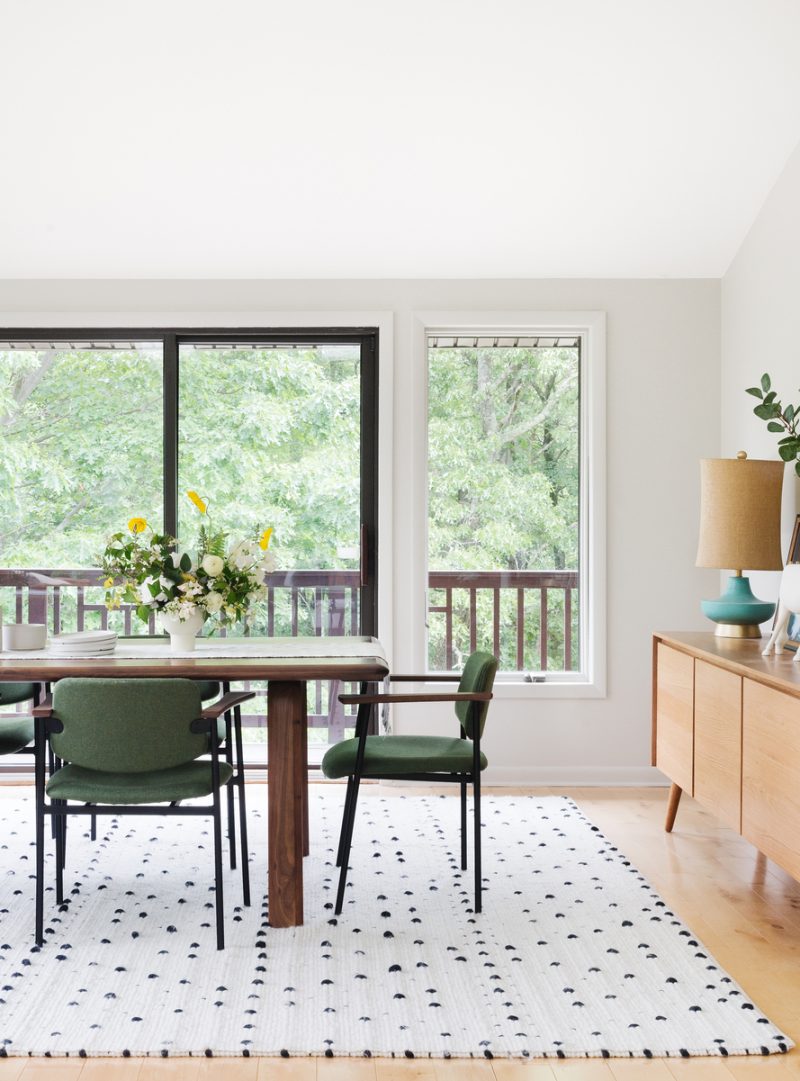
Combining wood tones with ease requires a little design know-how (that’s why we’re writing this), and it starts with grounding your space in a base wood tone. Got wood floors? That’s easy – that’s your main tone. If not, look to the most prominent piece of wood in your space to take the lead, whether it’s a sideboard, dining table, or bookcase. The key is that the other wood tones you introduce complement the main character. For example, if you have light oak floors, choose similar warm tones (like sand and walnut) rather than using dusty driftwood.
2. Use high contrast
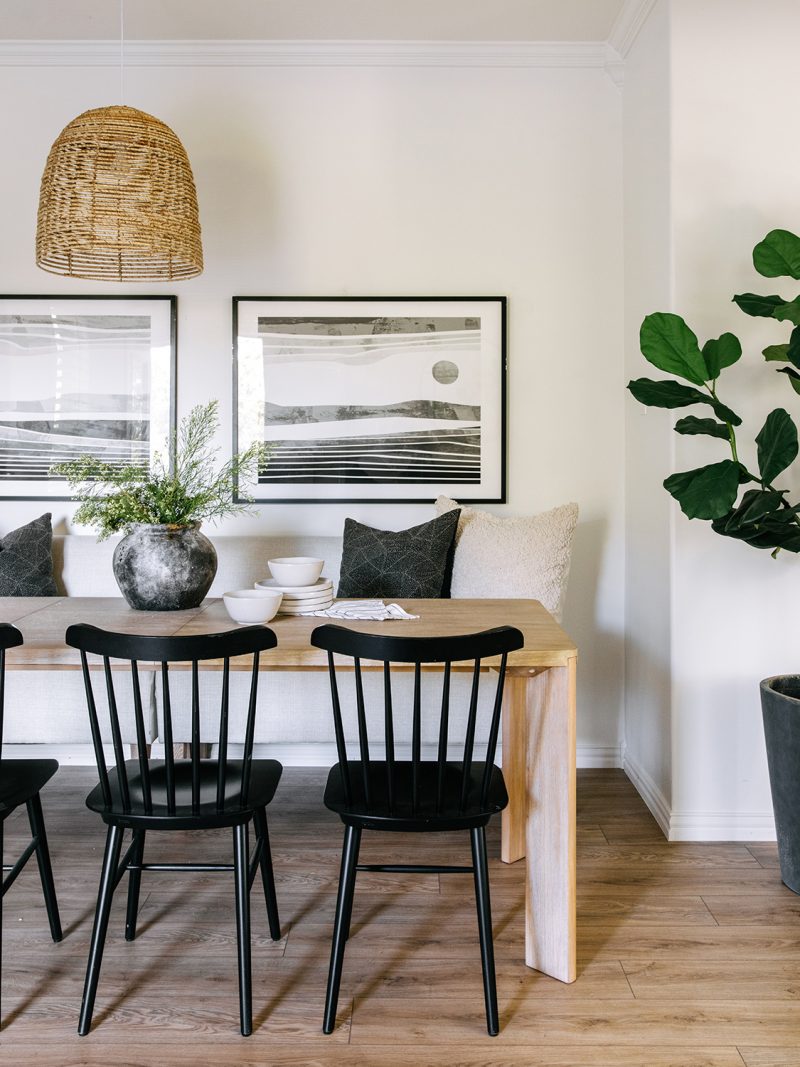
This is the most interesting (and easy) approach, if we do say so ourselves. Instead of layering wood with *very* similar finishes (we always see this “safe” approach), do the opposite and use high-contrast wood tones. We’re talking black chairs set on a driftwood table, or a chic ebony coffee table paired with sand-colored side tables. It’s a trademark design move and will instantly elevate your aesthetic.
3. Love variety
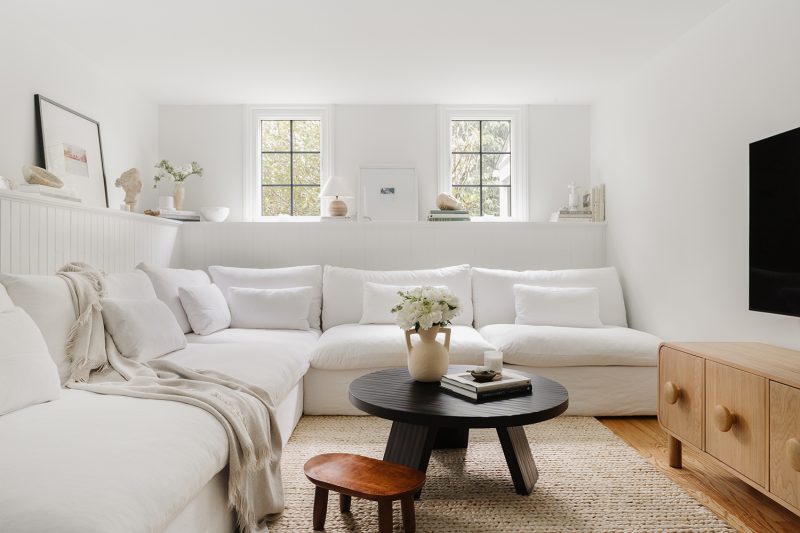
Trying to find furniture with the *exact* same wood stain is nearly impossible (unless you're shopping at a retailer, but that's boring anyway). You'll probably end up with three pieces
near the similar, but not exactly the same, for a more cluttered “missing” feel. Our advice? Avoid the risk altogether and embrace the variety in your wood tones – we love the black coffee table, warm walnut stools, and yellow TV stand in this home office.
It is a balanced blend of light, medium and deep wood tones that creates depth and interest.
4. Based on the main color
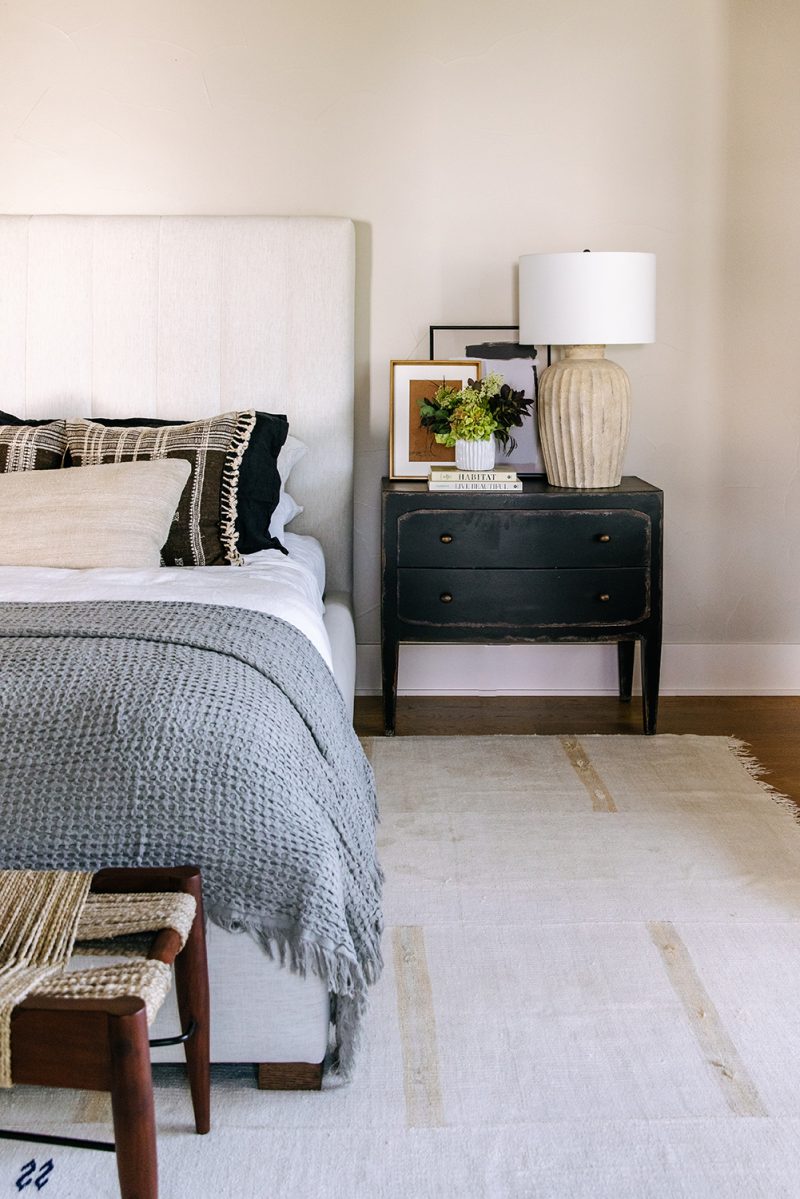
Basically, this is a happy medium between tip one and tip two. If you're looking for something that ties
a little bit but not too similar, use a common color story. For example, rely on different shades of dark wood (like the bedroom above with black nightstands and walnut sofa) or all light wood – this
makes the combination feel intentional and curated.
 EN
EN  VI
VI